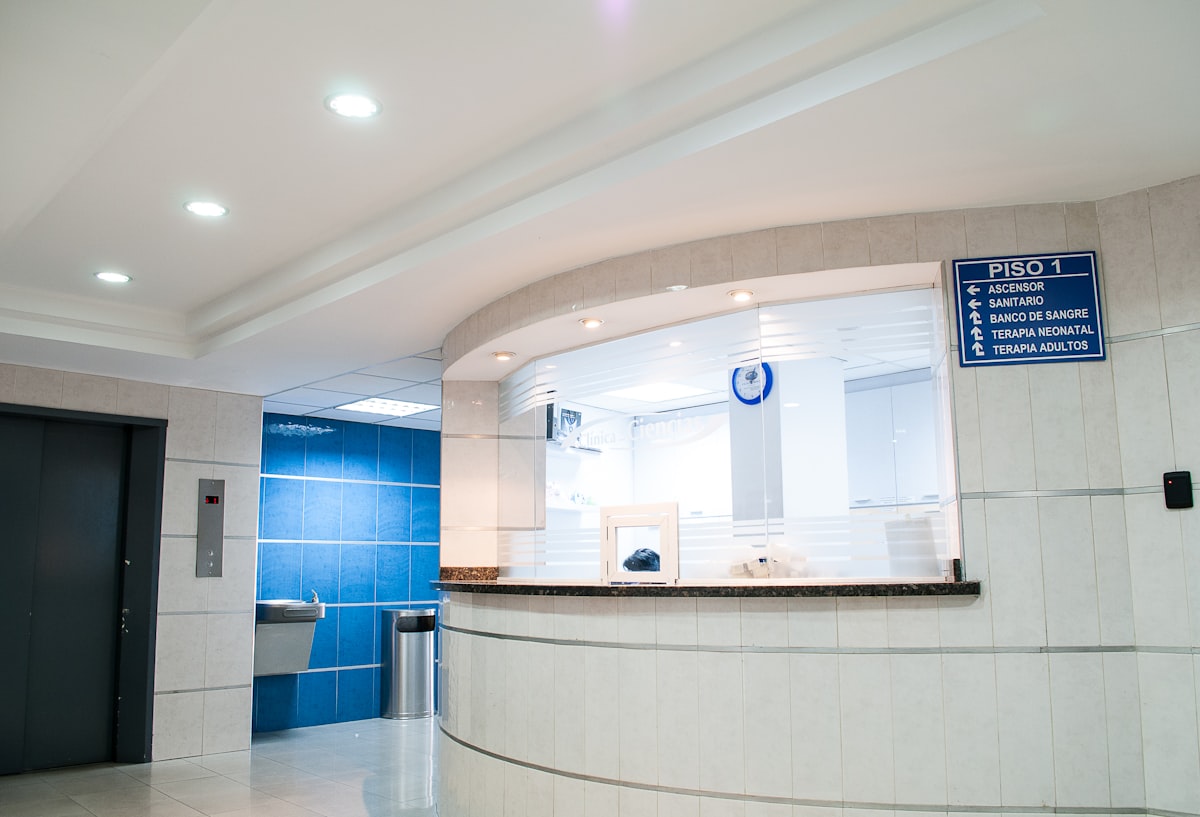
Environment and safety
- Clear signage and contrasting colours to reduce disorientation; uncluttered corridors with sightlines.
- Safety features: secure doors/garden, falls prevention, grab rails, good lighting—while preserving dignity and freedom.
- Quiet zones and sensory-friendly spaces to reduce noise/glare; predictable, calming routines.
Care team and training
- Staff trained in dementia communication (validation, reassurance), behaviour understanding, and de-escalation.
- Consistent team to reduce unfamiliarity; look for use of names, gentle tone, eye contact, and patience.
- Keyworker model: ask how continuity is maintained across shifts and agency cover.
Daily life and activities
- Familiar activities: music, gardening, light chores, personal interests to maintain identity and purpose.
- Mealtime support: adapted utensils, unhurried dining, smaller portions if needed, calm dining room acoustics.
- Family involvement: shared meals or activities; encourage life story work to personalise routines.
Clinical and risk management
- Medication management: timing, double-checks, regular reviews with GP/pharmacy.
- Falls/wandering: risk assessments, appropriate footwear, night lighting, safe wandering routes.
- Behaviour changes: documented triggers and calming plans; involve specialists when needed.
- Pain and distress: routine pain checks; non-verbal cues considered; timely clinical escalation.
Communication and family partnership
- How staff communicate bad days vs. good days; frequency of updates to family.
- Approach to agitation: validation, distraction, music, outdoor time; avoiding unnecessary restraint.
- Care plan reviews: how often, who attends, how changes are agreed.
Night-time care
- Overnight staffing levels; checks balanced with sleep preservation.
- Lighting and orientation aids for night-time bathroom use.
- Support for sundowning: calming routines, hydration, and supervision.
Transitions and end of life
- Settling-in: how the home handles the first 2–4 weeks; feedback loops with family.
- Hospital admission/return: who accompanies, how information is handed over and received back.
- End-of-life approach: pain management, family presence, spiritual/cultural considerations.
Poole/BCP transport and visiting
- Transport: Parkstone (7A/7B/7C/15/18 + rail); Broadstone (3/4/18/32); Hamworthy (8/9/10 + rail).
- Visiting: confirm flexible hours and whether outdoor walks/garden visits are supported.
- Check nearby healthcare: Parkstone Health Centre, Broadstone Health Centre, Hamworthy Medical Centre.
Checklist for dementia suitability
- Is there a dementia-friendly environment (signage, lighting, calm décor)?
- Is there dedicated dementia training and consistent staff assignment?
- Are activities tailored to stage and preferences, not just group-based?
- How are behaviour changes tracked and addressed? Who is consulted?
- Are families involved in reviews and life story work?
FAQ
- What makes a care home suitable for dementia care? A dementia-friendly environment with clear signage, contrasting colours, secure doors/garden, trained staff in dementia communication, and sensory-friendly spaces to reduce noise and glare.
- What training should staff have for dementia care? Staff should be trained in dementia communication (validation, reassurance), behaviour understanding, and de-escalation. Look for consistent teams and a keyworker model.
- How are activities adapted for residents with dementia? Activities should be familiar and tailored to individual interests (music, gardening, light chores). Mealtime support includes adapted utensils, unhurried dining, and calm dining room acoustics.
- What should I look for when visiting a dementia care home? Check for dementia-friendly environment (signage, lighting, calm décor), dedicated dementia training, consistent staff assignment, activities tailored to stage and preferences, and how behaviour changes are tracked and addressed.
Related reading
- How to Choose a Care Home in Poole
- Residential vs Nursing Care in Poole
- Small vs Large Care Homes
- Care Home Fees & Funding in Poole
- Visit Checklist & Red Flags
- Daily Life in a Poole Care Home
- Signs a Care Home May Not Be Suitable
- Official sources list
- Parkstone, Broadstone, Hamworthy, Canford Heath, Oakdale